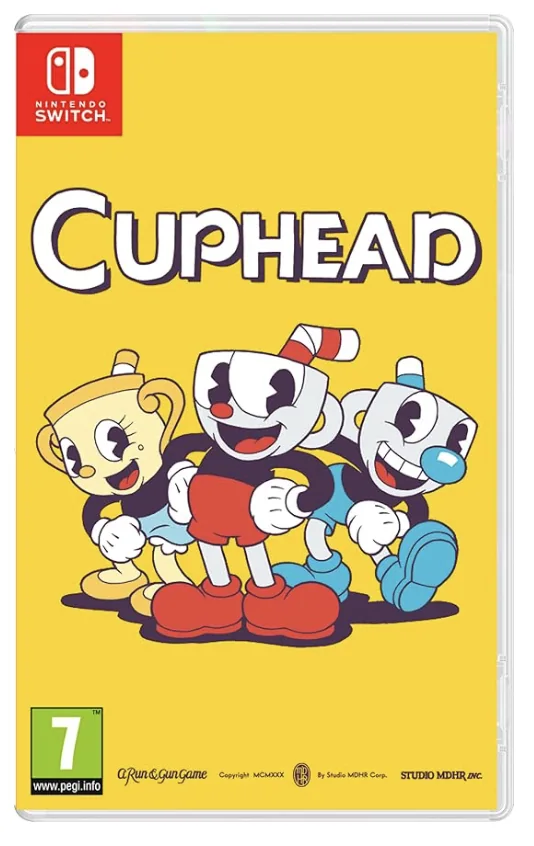
On 29 September 2017, Chad and Jared Moldenhauer's dream finally came true: the video game Cuphead was released.
The project had begun in 2010 and the creators had had to rehypothecate their homes in order to carry it out. It was an immense task.
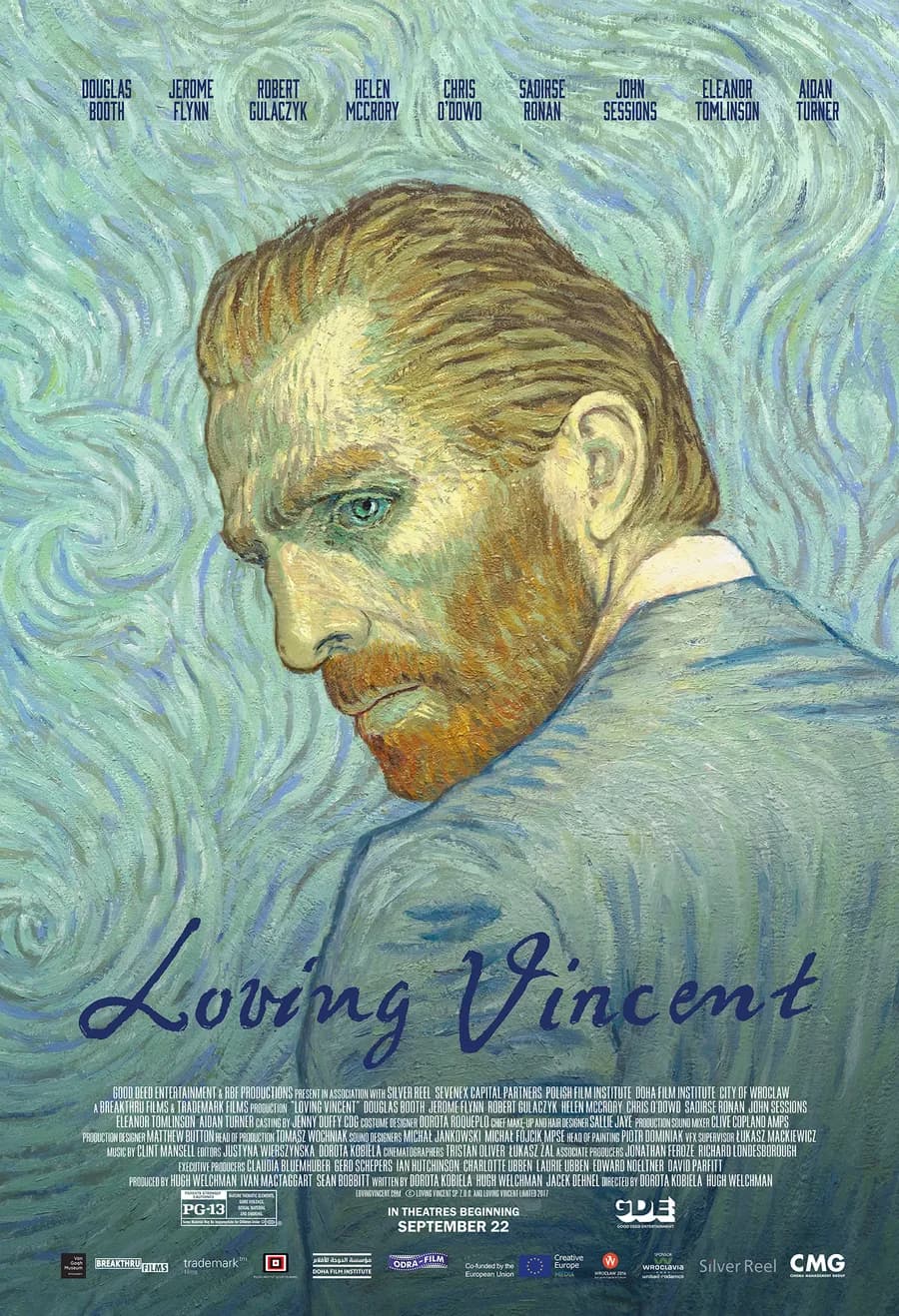
Curiously, Loving Vincent had begun its US theatrical release just one week earlier. The film was made from 65,000 frames painted in oils by 125 artists. In the middle of the digital age, two projects decided to look backwards and do things the difficult way: almost entirely by hand. One brought Van Gogh's paintings to life; the other revived the animation of the 1930s. Loving Vincent is something you need to see, if you haven't already.
Anyway, back to Cuphead.
They had a brilliant idea: to create a video game in the style of the animations of the 1930s created by Fleischer Studios. The technique used is called rubber hose.
Rubber hose is an animation style in which limbs have no articulated knees or elbows, while objects and characters ignore the laws of physics: they squash, stretch, deform and grow. The result feels wonderfully fluid.
Looks like Bill Nolan is the creator of the technique.
Max Fleischer, owner of Fleischer Studios, was the cartoonist, writer and filmmaker who patented rotoscoping: drawing each frame of an animation over filmed footage. This gives the drawing the natural movement, expressions, light, shadow and proportions of the original performance.
Fleischer Studios are the creators of a universal character, among many others: Betty Boop.
She first appeared in the Talkartoons series on 9 August 1930. Cartoonist Grim Natwick drew inspiration from singer Helen Kane—especially her hair—but followed the fashion of the time by making her an animal character, something like a French poodle.
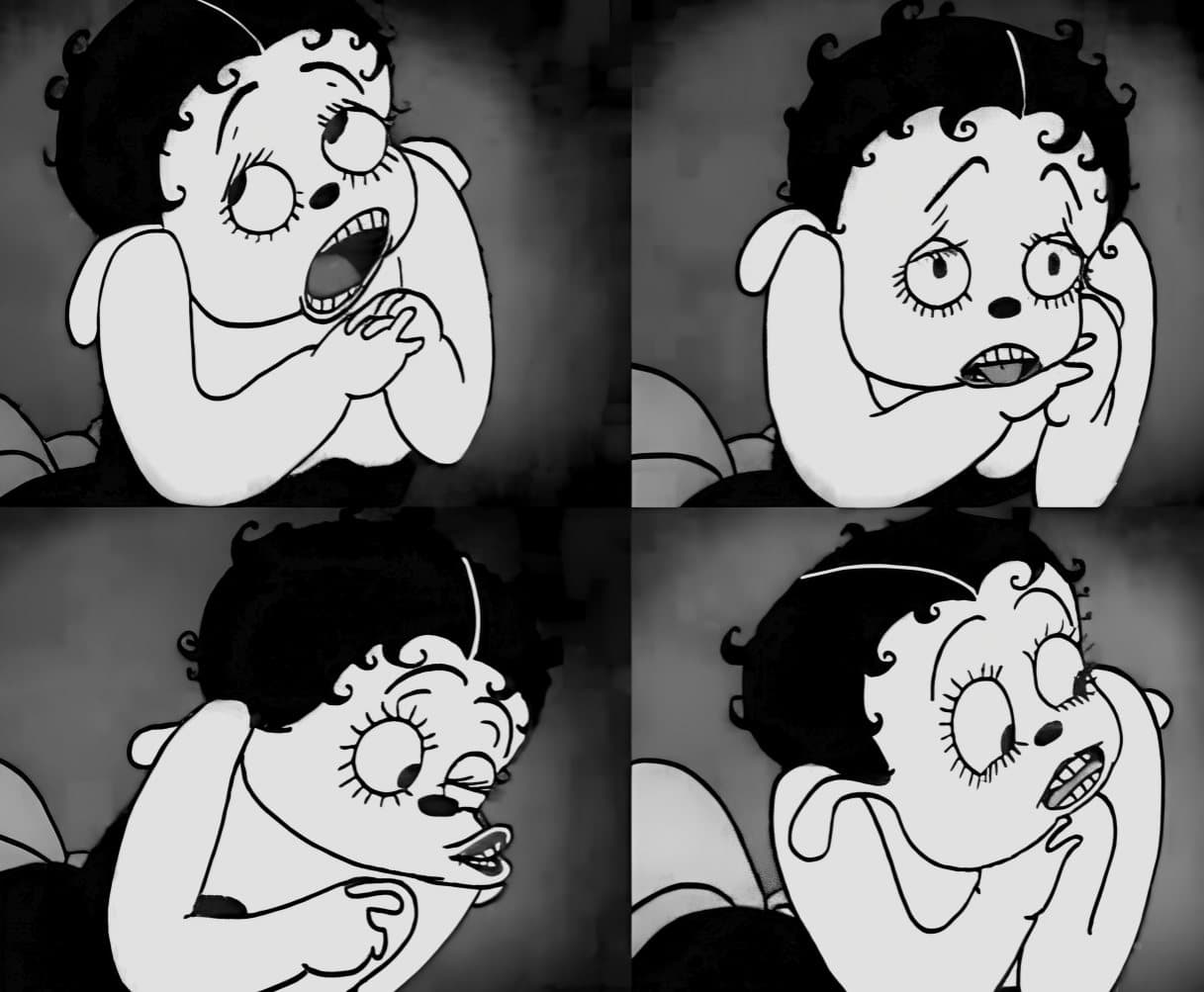
In 1932 the character was redesigned and also had several name and personality changes.
It is considered that the final Betty Boop appeared for the first time in 1932, in the animated short Minnie the Moocher.
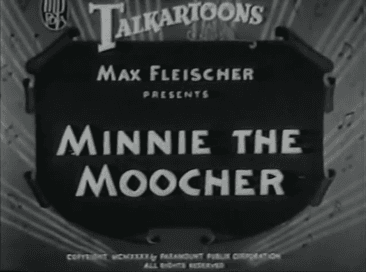

Do you know who provided the music? None other than Cab Calloway and his orchestra. One character—the walrus—was even rotoscoped from Calloway himself.
Betty Boop was intended to represent a flapper, one of the women who revolutionised the era—but that is another story.
You have to see the drawings in their context; some things surprise you a lot.
We have included two short films featuring Cab Calloway, a song from one of them and a video from the game Cuphead. The references to Fleischer Studios' animation are constant throughout the game.
Live, play, dance... but above all don't get bored.See you at Spirit if you want.