
‘NORMAL’ IS WHAT YOU GET USED TO.
—You girls are special. Fertility is a gift from God. He left you intact for a biblical purpose.
As Bilhah served Rachel, you will serve the leaders of the Faithful and their barren wives. You will bear children for them! Oh, how lucky you are! What a privilege!
These words are part of Aunt Lydia’s fiery speech in The Handmaid’s Tale.
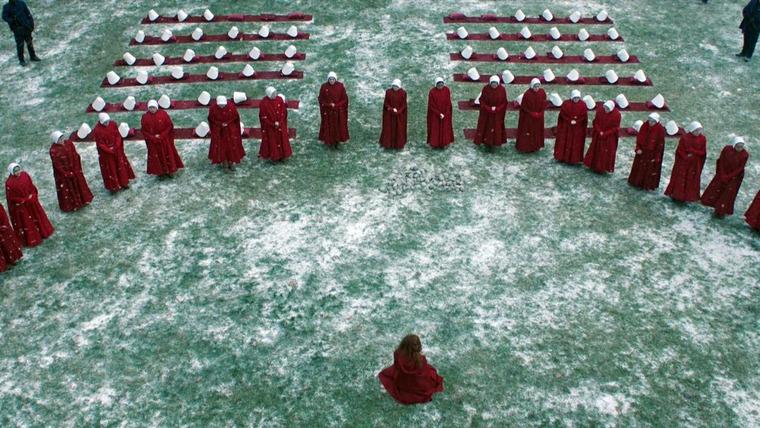
The biblical reference is Genesis 30:1–8. Rachel cannot have children with Jacob, so she gives him an enslaved woman, Bilhah, and claims Bilhah’s sons, Dan and Naphtali, as her own. Gilead uses this story to justify the rape of women and the seizure of their children.
At that moment Janine laughs and says ‘Fuck you’. Without giving away any spoilers, I will only say that she pays a very, very high price for it, as happens with every act of rebellion in the series.
Few series I have seen are so visually beautiful and, at the same time, so brutal. It is a continuous ode to despair.
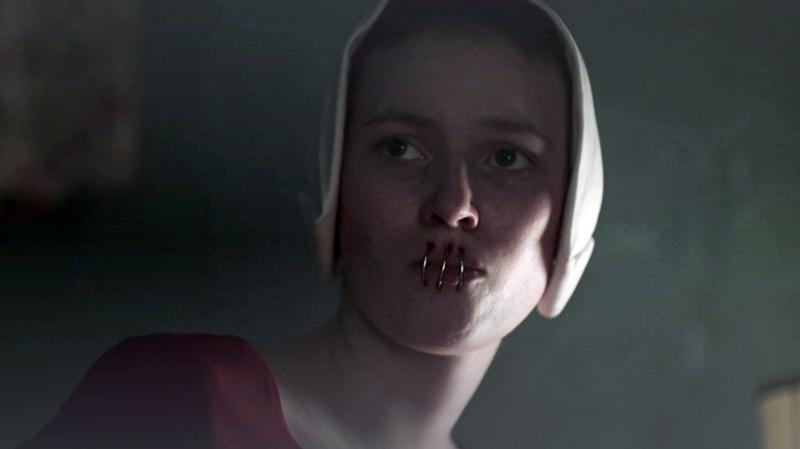
In Gilead, the Constitution was first suspended with the promise that it would be temporary. Once the mechanisms through which people could resist had disappeared, women’s economic, employment and civil rights were specifically taken away.
One of the architects of this situation is Serena Joy Waterford, played by Yvonne Strahovski. Before Gilead, Serena was a writer, speaker and conservative activist. She published A Woman’s Place and defended what she called a kind of ‘domestic feminism’.
A few years ago this might have seemed implausible. Now Savanna Faith Stone speaks at mass conferences and argues that husbands should vote on behalf of the family. We also have HHS and ICE separating mothers from their children.
The Handmaid’s Tale shows how fascist systems develop. They rarely arrive calling themselves fascist. First they alter a word, remove a right that seemed secondary, single out a group and turn an exception into a custom. By the time society understands the whole story, it has been living inside it for far too long.
This last idea is portrayed very well in another series, The Man in the High Castle.
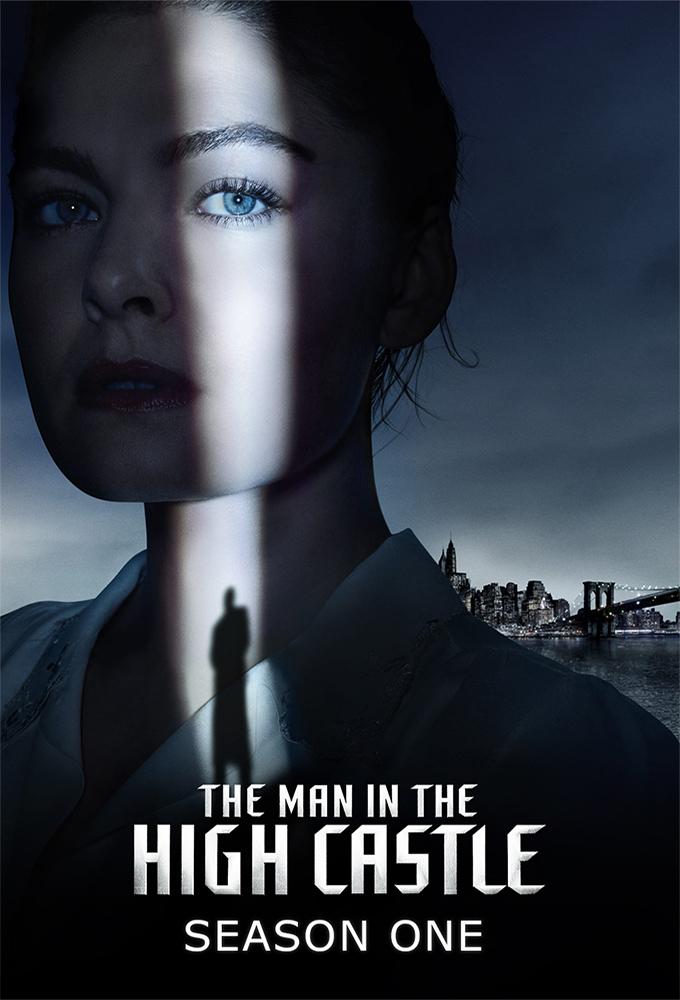
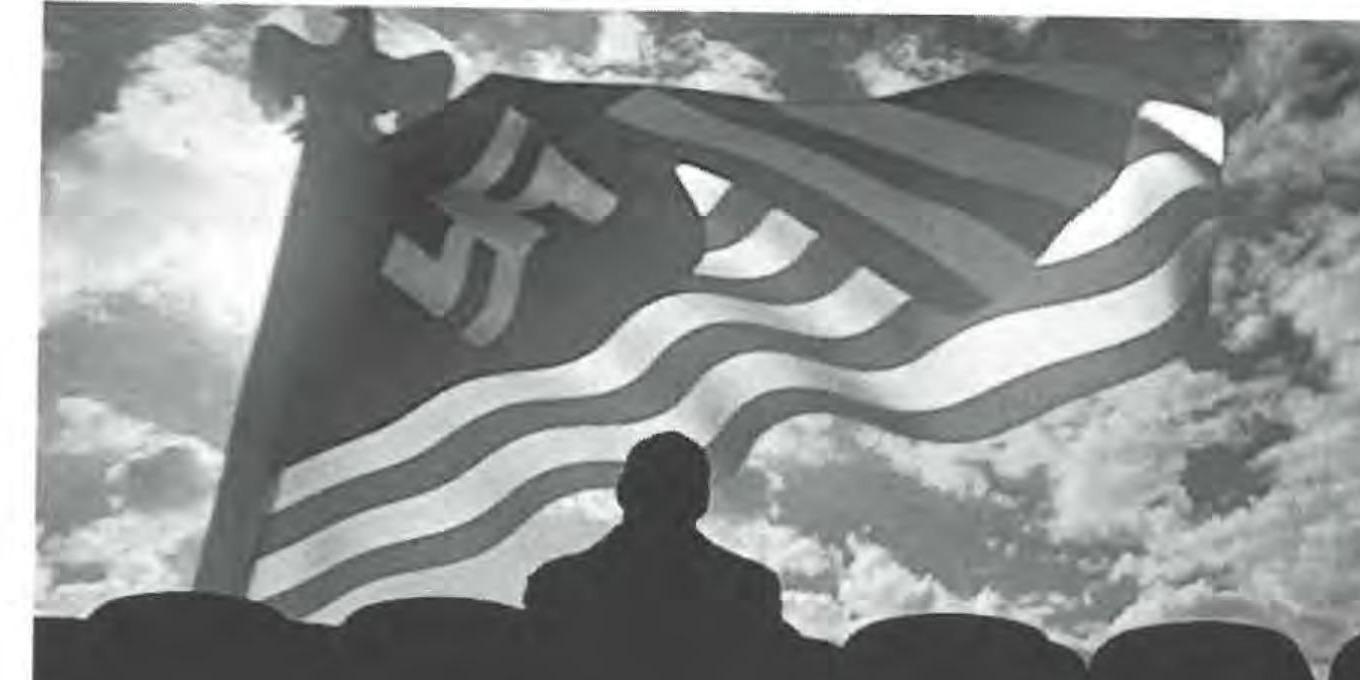
Although, in the mad reality we live in, a Star of David would be more fitting in the flag frame shown here, in this dystopian fiction, Nazism won the Second World War and Japan and Germany divided the United States between them. The story takes place in 1962, when many young people have already been born inside the system. Joe Blake explains it very clearly when he tries to join the resistance.
He says that his father told him about a time when men were free, but he admits: ‘I DON’T REALLY KNOW WHAT FREEDOM IS.’
Both series repeatedly apply the boiling-frog metaphor: throw a frog into boiling water and it will immediately try to escape; place it in lukewarm water and raise the temperature little by little, and it will grow used to the change without noticing the danger until it is too late. June even uses the metaphor almost literally.
Curiously, the intro to The Man in the High Castle uses a version of ‘Edelweiss’.
Although many people think it is an Austrian folk song, it was written for a musical first staged in 1959 and adapted for the screen in 1965: The Sound of Music. The song plays a central role as a symbol of resistance. Von Trapp first sings it at home with his family and later, in the theatre scene, the whole audience finally joins in.
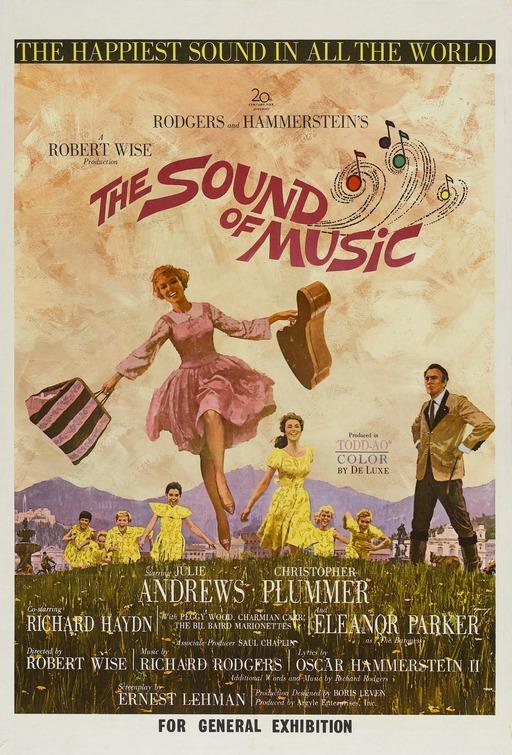
The song was created then, but the symbolism of the Alpine flower certainly was not. Its name, incidentally, translates as ‘noble white’.

In Germany in the late 1930s there were many dissident youth groups, but two became especially well known. The first were the Edelweiss Pirates. They used the flower as a symbol, although it seems that they did not initially choose the name themselves: the Gestapo gave it to them disparagingly. At first they were rather like boy scouts, going on hikes, and many came from Alpine regions.
The flower has been associated with endurance—it survives cold, wind and altitude—courage—tradition said that obtaining it meant climbing dangerous places—and love and devotion—giving it proved that someone had risked their life for the person they loved.
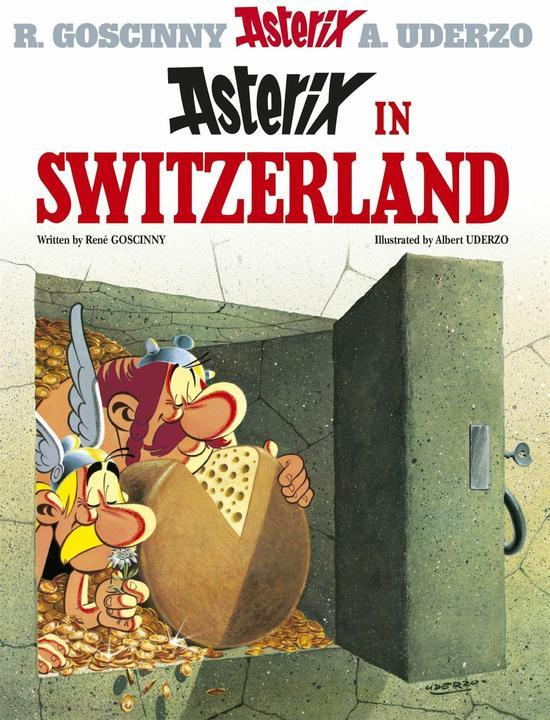
Even in René Goscinny and Albert Uderzo’s Asterix in Switzerland, edelweiss is the indispensable ingredient in an antidote: a perfect metaphor for resistance to poison.
They use the edelweiss to save a Roman—and I am hardly a great admirer of his empire—but he is an honest quaestor poisoned for investigating the corruption of the Roman governor.
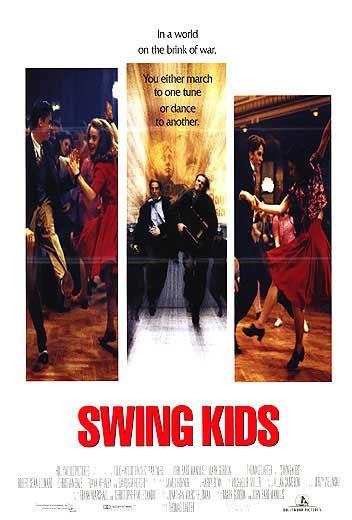
The other group of anti-Nazi dissidents contemporary with the Edelweiss Pirates were the Swingjugend, immortalised by Thomas Carter in Swing Kids, a film that I think everyone should see, although you have probably already seen it.
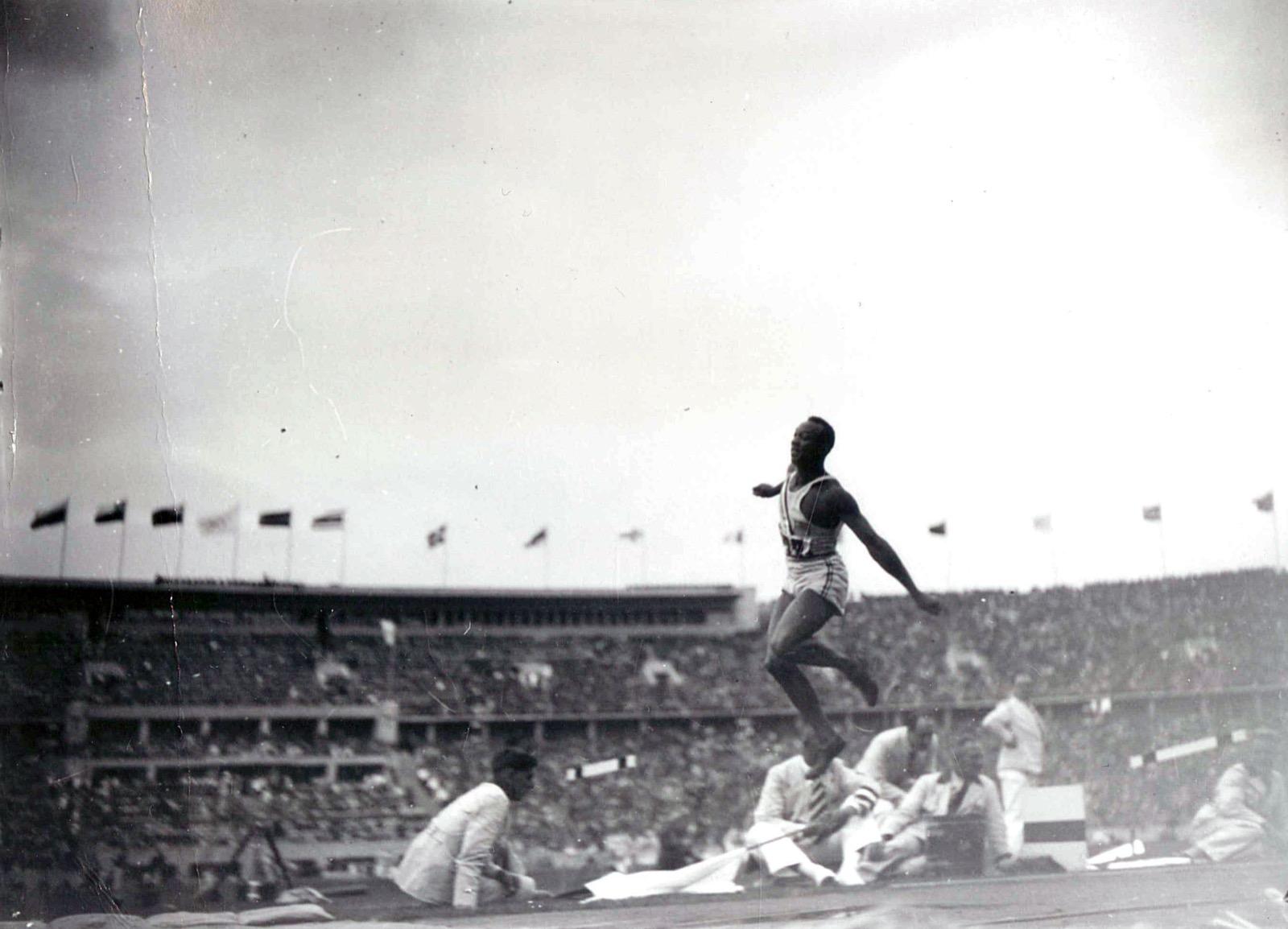
Three years earlier, Hitler had tried to turn the Berlin Olympic Games into a showcase for supposed Aryan superiority. The real star was Jesse Owens, an African-American athlete who won four gold medals. The same regime that would later persecute young people for dancing to African-American music had watched an African-American man dominate its greatest sporting spectacle.
Hitler never shook Jesse Owens’s hand. Several versions of the story can be told, but that much is true. What is less often repeated is Owens’s reply: ‘HITLER DIDN’T SNUB ME; IT WAS OUR PRESIDENT WHO SNUBBED ME. THE PRESIDENT DIDN’T EVEN SEND ME A TELEGRAM.’
Those who awarded themselves the medal of defenders of freedom and liberators of Europe from Nazism still maintained a segregated society. Around 400,000 Americans and between 26 and 27 million Soviet citizens died in the war; the latter population has still not entirely overcome its demographic echo.
Jesse Owens lived through the Swing Era, but one image joined both worlds forever: shortly after returning from Berlin, he was photographed at a Cotton Club rehearsal beside the legendary dancer Bill ‘Bojangles’ Robinson and the women of the chorus line.
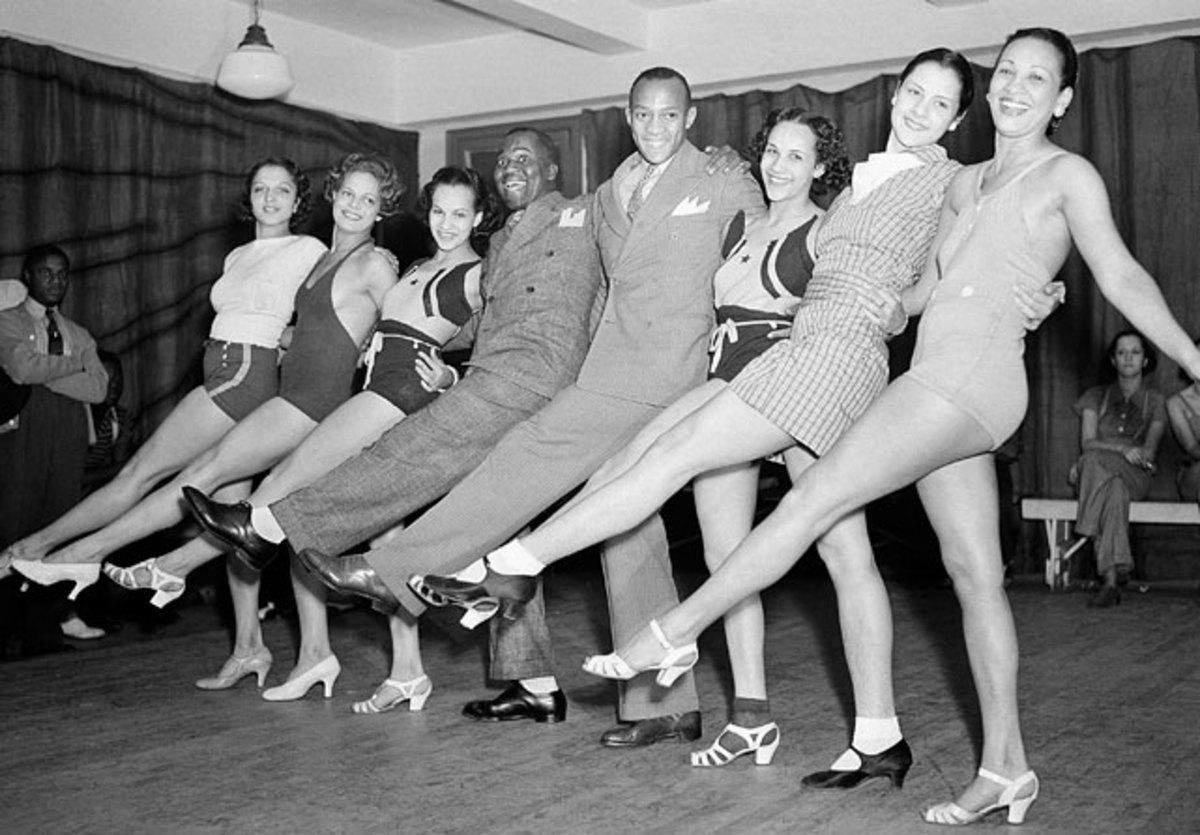
Bill ‘Bojangles’ Robinson was one of the most important tap dancers of the first half of the twentieth century. Born in Richmond, Virginia, in 1878, he began dancing in the streets and went on to triumph in vaudeville, Broadway and Hollywood.
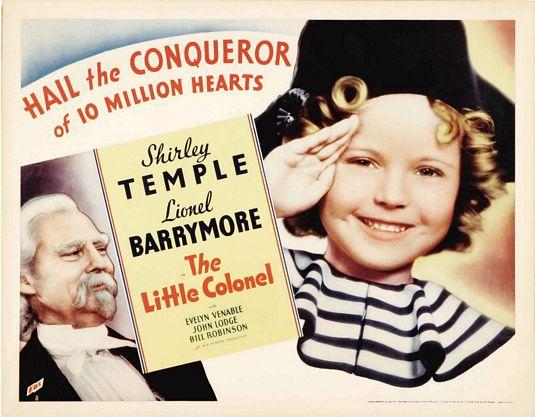
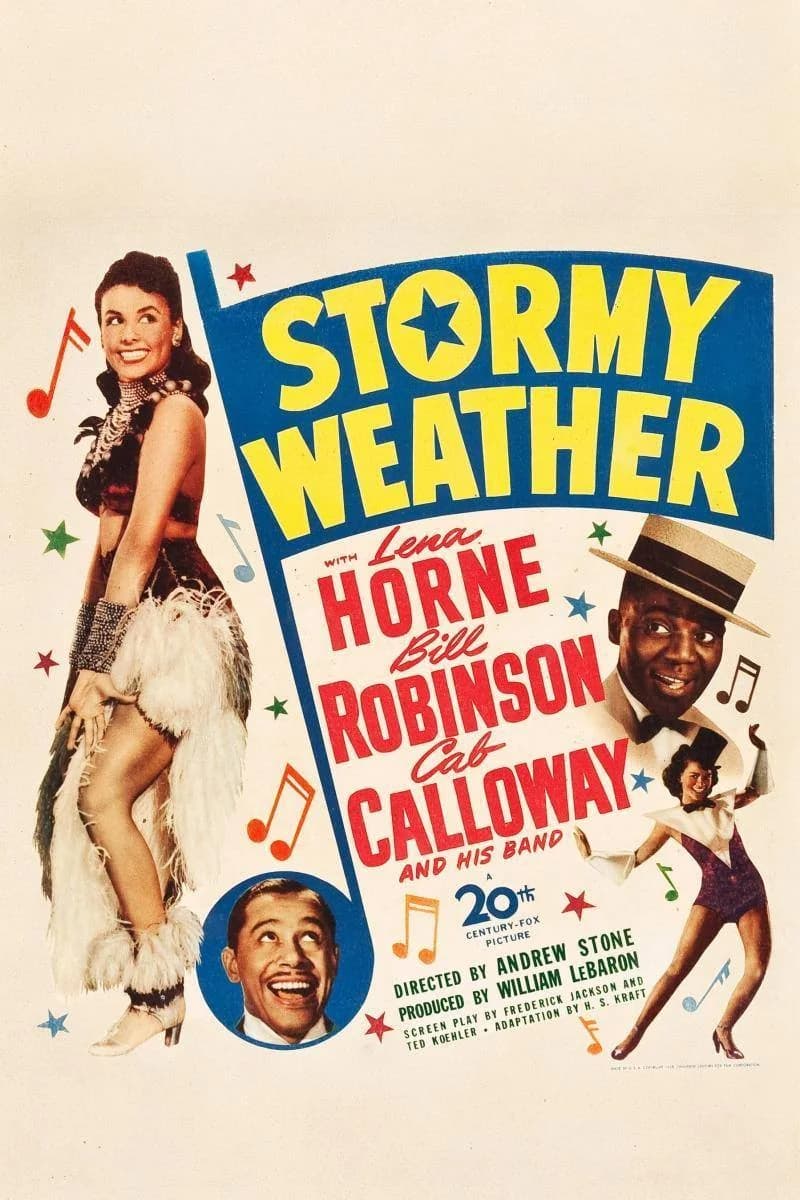
He appeared in around sixteen films, several with Shirley Temple—including The Little Colonel, The Littlest Rebel and Rebecca of Sunnybrook Farm—and starred with Lena Horne in Stormy Weather. In a profoundly segregated industry, he became one of the most famous and highest-paid African-American performers in the United States.
He died almost penniless, partly because of his extraordinary generosity. In 1933, after seeing two African-American children nearly run over, Robinson paid for a traffic light beside a Richmond school. A statue now commemorates the gesture at the same intersection.
Tens of thousands attended his funeral, and he was popularly known as the ‘mayor of Harlem’.
This article is a tribute to Bill ‘Bojangles’ Robinson, to those who fought fascism, racism and xenophobia, and to those who suffered—and still suffer—because of them.
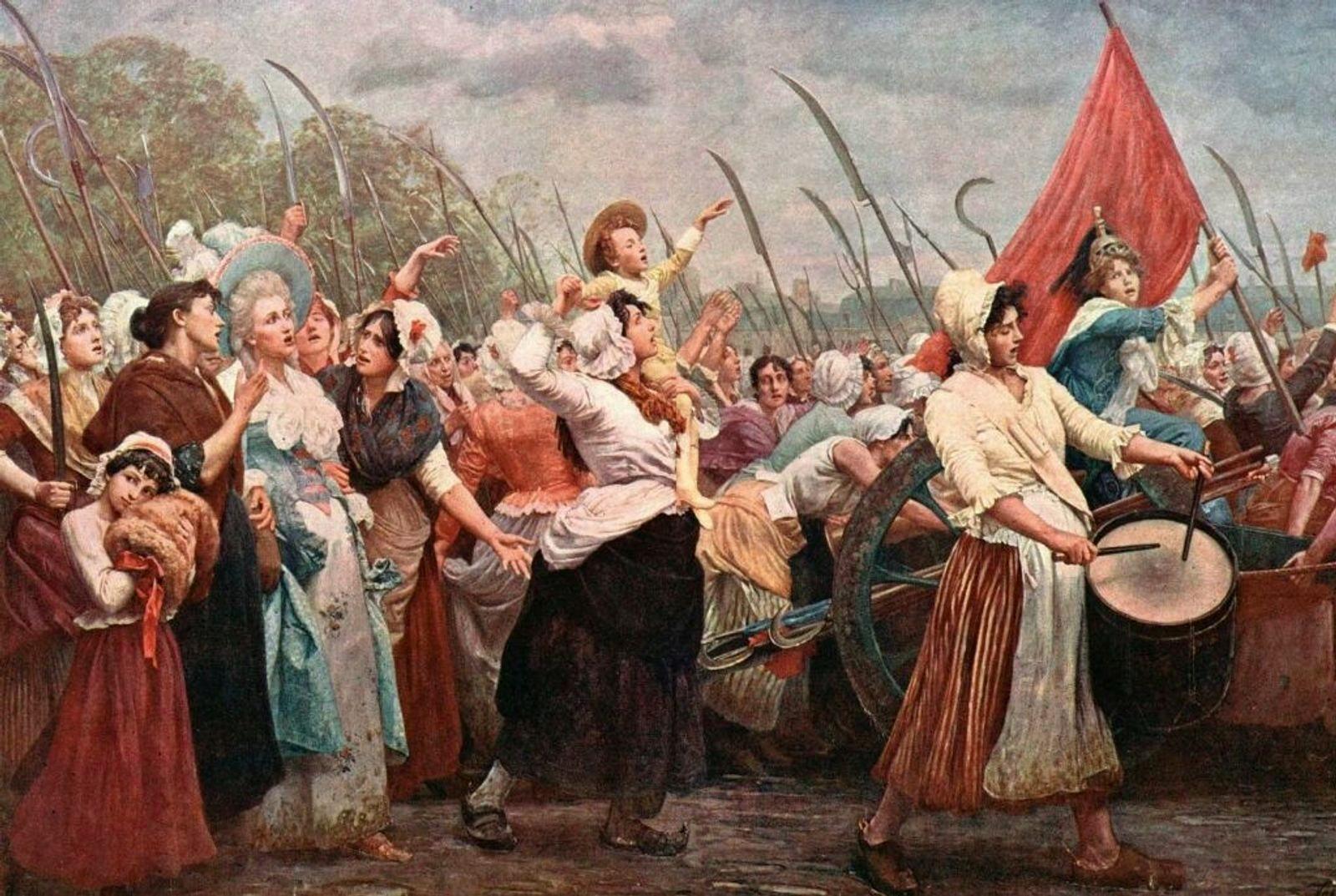
There was a time when fighting injustice meant storming the Bastille or marching on Versailles like the legendary Dames de la Halle. Yes, yes, I know that ended with Napoleon, but that was not the idea. In this part of the world we have the privilege of doing it by placing a piece of paper in a box. A tremendous challenge.
Of all the complex situations life puts before us, choosing the right side of history hardly ever seems to me to be one of them. If you can identify the weaker side, that is the one.