
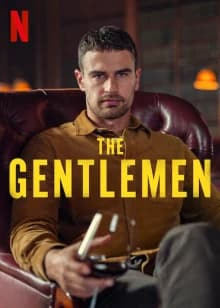
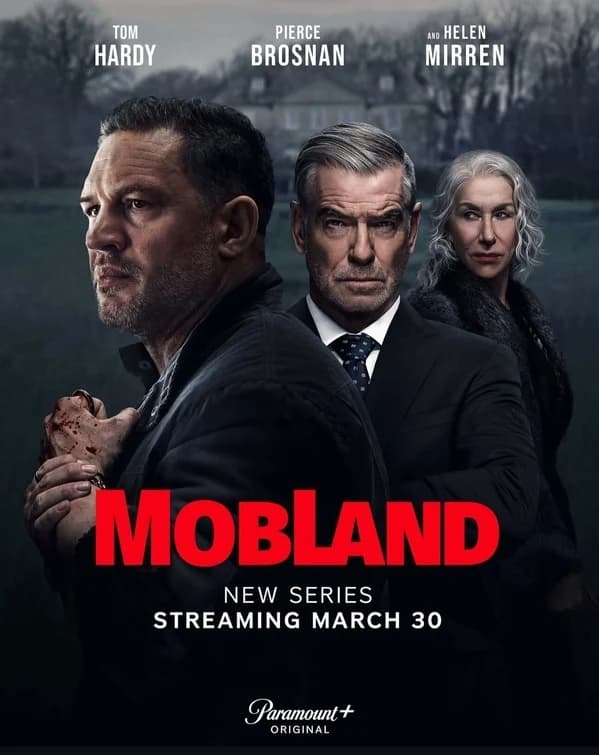
It’s incredible how on form Guy Ritchie is. This year has brought the second seasons of The Gentlemen and MobLand, Young Sherlock and the film In the Grey.
Young Sherlock, meh, but then I’m not a fan of taking characters out of their familiar period and building sequels or prequels around them.
I don’t see the point of a washed-up Wolverine with a bit of a belly in Logan, or teenage Trekkies… With all due respect to the original film Young Sherlock Holmes (1985). But the other two are brilliant series. The Gentlemen is much more Guy Ritchie: he is actually the writer and director, and it’s based on his film, but MobLand has his unmistakable stamp.
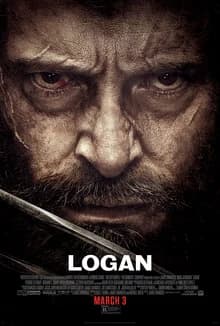

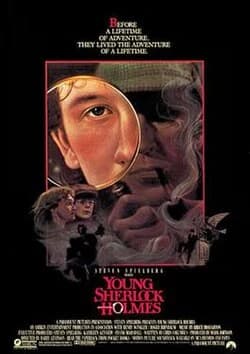
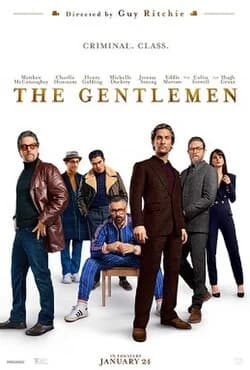
It’s funny how Ritchie has spent thirty years telling us the same story and it’s always different. Basically, stories about gangsters, or people who want to be gangsters and often make terrible decisions. With an unmistakable style.
In episode 6 of the second season of The Gentlemen, Eddie and Bella have that typical everyday argument about whether to take the Ferrari or the seaplane to Switzerland (who hasn’t had that one?). Eddie wants to take the Ferrari, but Bella says the luggage won’t fit. Eddie insists it’s quicker by car and they can have the luggage sent on. Since they can’t agree, Bella proposes a race: she’ll take the seaplane and he’ll take the Ferrari. The turn the series takes at this point is legendary, for better or worse.
And that’s when Louis Prima’s “Oh, Marie” plays. His family were very poor Italian immigrants living in Tremé, New Orleans. Incidentally, there’s a highly regarded series with exactly that name.
With Gia Maione and Sam Butera & The Witnesses · The Ed Sullivan Show · Listen on YouTube ↗
Another stop in Louis Prima’s world of swing · Listen on YouTube ↗
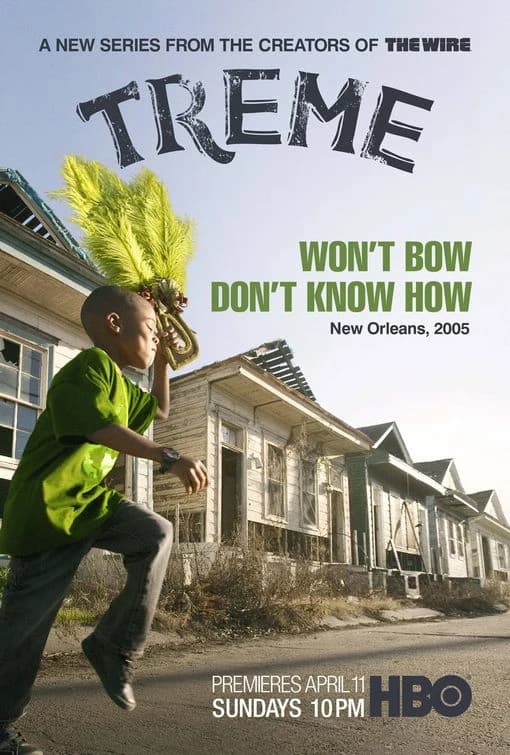
Louis grew up listening to jazz and Italian folk songs. He admired Louis Armstrong and King Oliver and, of course, the creator of jazz: Jelly Roll Morton. Or at least that’s how he described himself. Curiously, Morton grew up just a few blocks away.
Jelly always walked that fine line between legal and illegal. On one occasion he was stabbed, and there were rumours that it was because he refused to pay the syndicate, a group of gangsters who charged performers for “protection”. You can imagine who they needed protecting from.
Guy Ritchie actually draws on a tradition that, curiously enough, runs parallel to the origins of jazz.
Hollywood was heavily criticised for popularising the charismatic gangster. It certainly didn’t invent him: figures like Al Capone — Scarface — had done an enormous amount to clean up their image and look like heroes to the public, but Hollywood made them popular and gave them tremendous charisma. Even events like the St. Valentine’s Day Massacre in February 1929, when seven men were machine-gunned and the intended target wasn’t even there, didn’t end that fascination. We always admire gangsters.
There’s a classic Billy Wilder comedy, starring Tony Curtis, Jack Lemmon and Marilyn Monroe, that takes that very event as its starting point: Some Like It Hot. It wasn’t included in the first version of this article because I hadn’t made the connection with its opening, but someone was kind enough to remind me.
Besides this masterpiece, there are three other “well-known” films that refer to a bloody Valentine’s Day: The St. Valentine’s Day Massacre (1967), by Roger Corman, which tells the story of the events in Chicago; My Bloody Valentine (1981), a B-movie horror in which a killer dressed as a miner wreaks havoc; and its remake, My Bloody Valentine 3D (2009). The latter two have nothing to do with the massacre. If the 1981 film defies description, its 2009 3D version leaves me speechless.
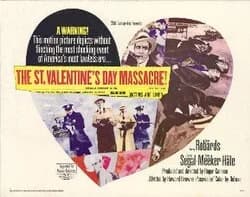
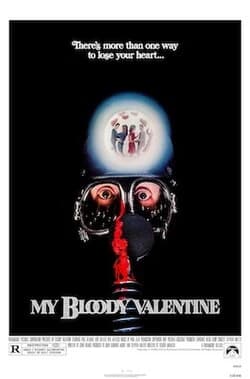
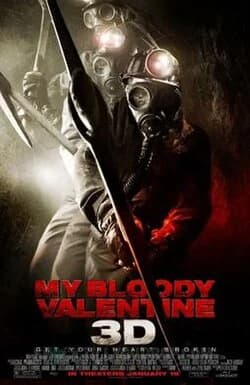
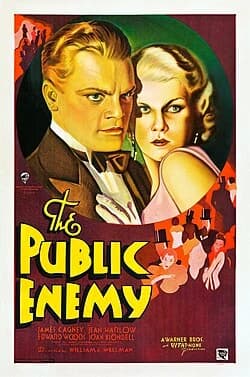
Among the early gangster films were The Public Enemy, Scarface and Little Caesar, but the list is endless. The Godfather is considered one of the greatest films ever made, and Brian De Palma’s reinterpretation of Scarface, starring Al Pacino, is very highly regarded. As I say, the list is endless. It doesn’t matter that we know they’re criminals: if they have the best dialogue, the best cars and no rules to follow, we’re going to admire them. And Guy Ritchie has put a brilliant spin on that idea.
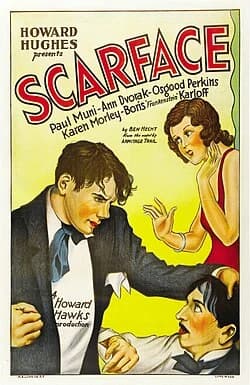
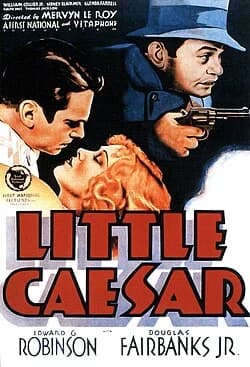
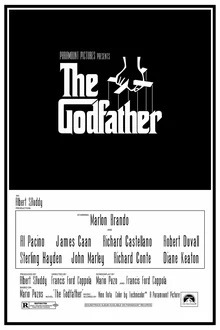
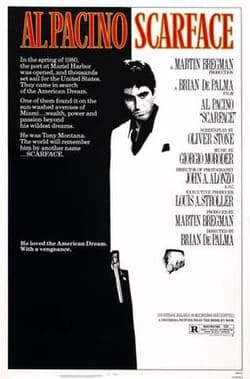
As I was saying, Jelly Roll Morton walked that fine line of the hustler… and considered himself the creator of jazz. Modesty wasn’t his thing. He even had a diamond set into a tooth. Guy Ritchie wouldn’t have had to work too hard on the wardrobe, either.
He had started out playing piano in the brothels of New Orleans, but reducing him to a colourful character would be rather unfair. Morton was one of the great composers and arrangers of early jazz. Behind the man who boasted that he’d invented it all was a musician who knew exactly what he was doing.
Jelly Roll Morton at the piano · Listen on YouTube ↗
One of the ideas Jelly championed was the “Spanish tinge”: the influence of the habanera and other Afro-Caribbean rhythms on jazz.
A musical companion to the “Spanish tinge” · Listen on YouTube ↗
The sad thing is that, as jazz kept growing, he was left behind. His record company dropped him in 1930 and, by the end of that decade, his successful years seemed a long way off. He died in 1941, just as interest in the music of the New Orleans pioneers was beginning to return.
But before that, he had one last chance to tell his side of the story. In 1938, Alan Lomax recorded him for the United States Library of Congress. Sitting at the piano, Jelly spent more than nine hours across several sessions playing, singing and talking about music. He wanted to make his place in history clear; Lomax wanted to preserve the world Morton carried in his head. For once, the two ambitions fitted together perfectly.
A brothel pianist, a diamond in a tooth and a man determined not to let anyone take his leading role away. Ritchie would make a great film out of that story.