
Oh, Harlem! Oh, Harlem! Oh, Harlem!
No anguish compares to your oppressed reds,
to your blood trembling within the dark eclipse,
to your garnet violence, deaf and mute in the shadows,
to your great king imprisoned in a janitor’s uniform.
I’m sure the first image that comes to mind when we hear “the black ball” is a pool table and its number 8 ball. And the idea that you lose if you pot it too soon. Black has often been associated with negative things, as has the left side of the body — think of the Spanish words diestra and siniestra, meaning right and left, with the latter also meaning sinister.
The two most iconic films about pool that I’ve seen are The Hustler (1961) and The Color of Money (1986). The first was directed by Robert Rossen, and the second by none other than Martin Scorsese. Both star an absolutely brilliant Paul Newman, with Tom Cruise joining him in the latter — and not spoiling it too much. Both are based on novels by Walter Tevis, a writer who also played pool and chess. Another of his works reached the screen in an even better-known adaptation, this time as a miniseries: The Queen’s Gambit.
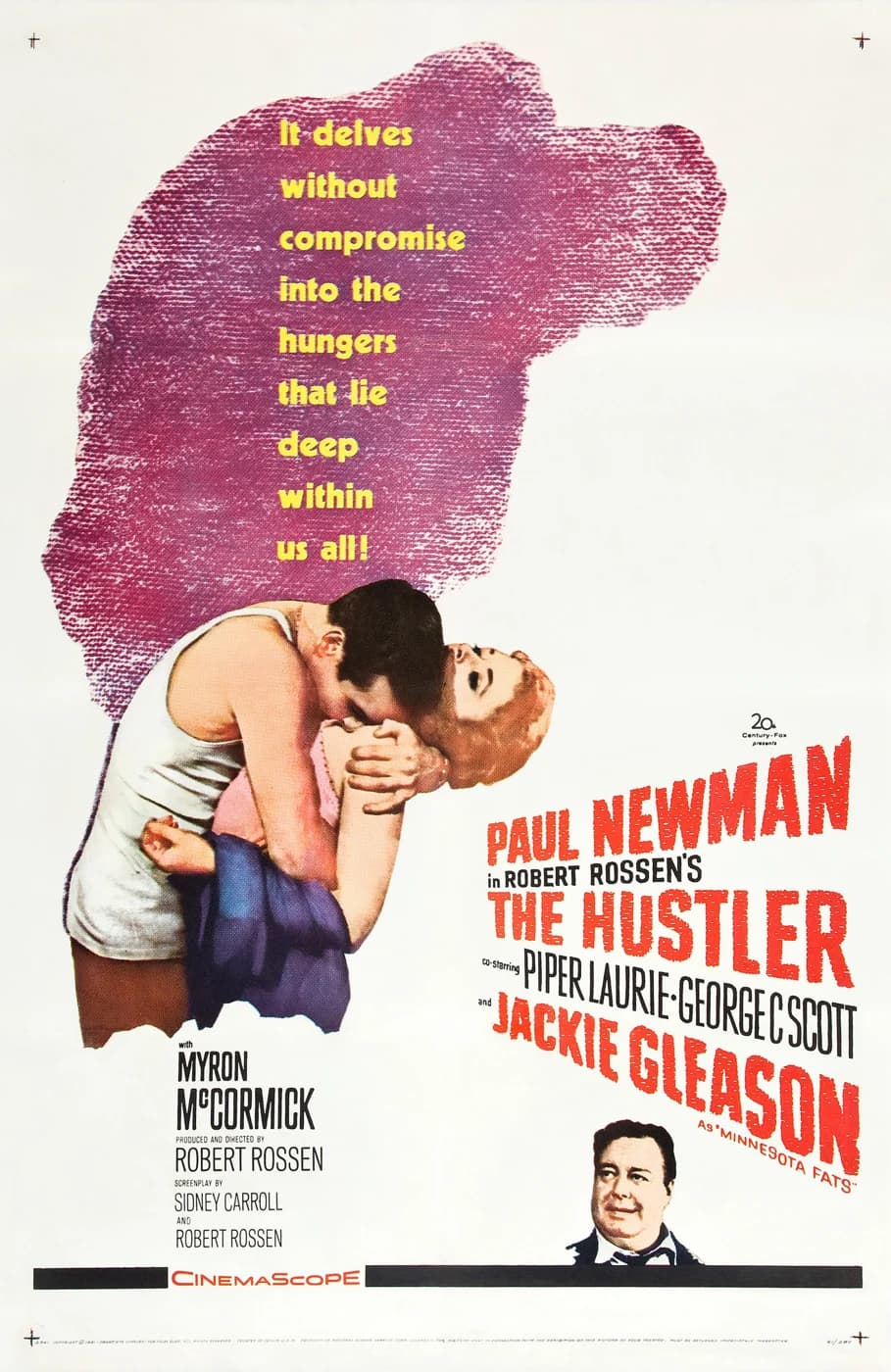
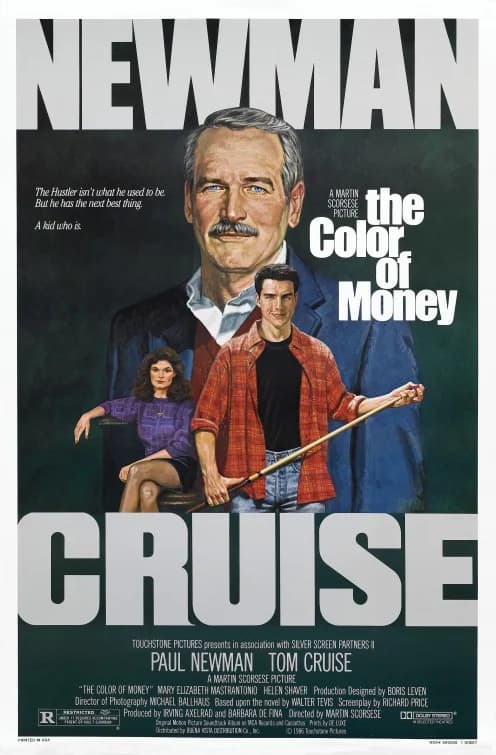
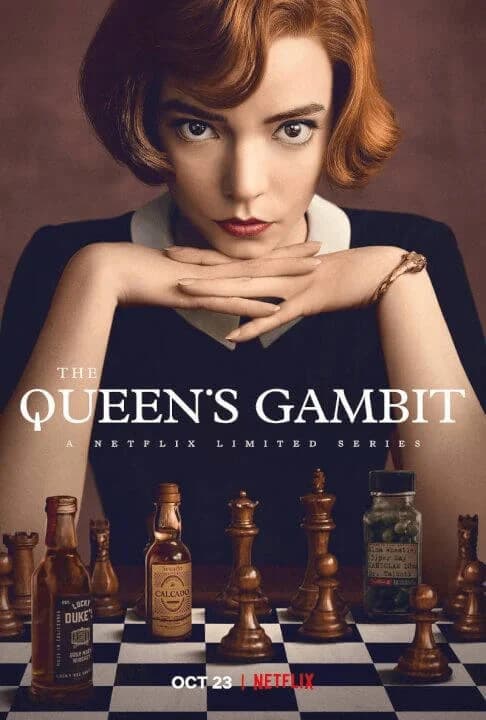
Curiously, neither film features eight-ball, one of the best-known forms of American pool. In The Hustler, they play straight pool, which is essentially a points-based game, while the second features nine-ball, another version with different rules. These are two films you really must see.
However, the idea of a “black ball” associated with something negative goes back much further.
In ancient Greece, black and white balls were already used to select court juries by lot. I’m not referring to the vote that gave rise to the term “ostracism” in ancient Greece and led to poor Themistocles, once a hero, being banished for ten years. In that case, people voted using an ostrakon, a small piece of pottery on which they wrote the name of the person they wanted to “show the door”.
Masonic lodges also voted on admitting members using white and black balls: white to accept, black to reject. From then on, many societies used this system to accept or reject members.
And that is the title of the latest film by Los Javis, La bola negra. A film closely connected to Lorca. I’m putting it that way to try to give absolutely nothing away.
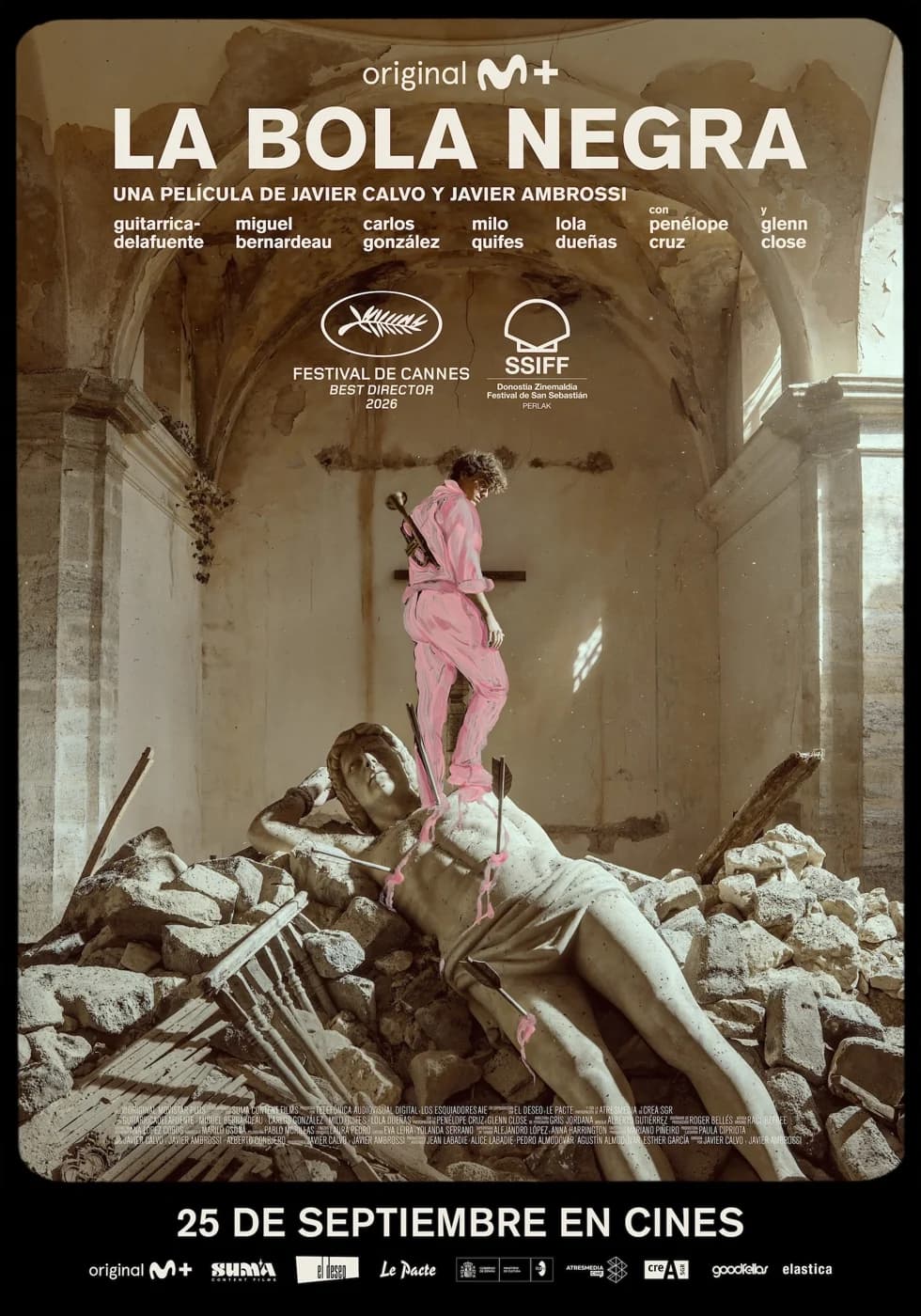
I went to see it without particularly high expectations, both because of the genre I thought it belonged to and because the Spanish Civil War isn’t one of my favourite subjects. But because of the connection to Lorca, I went.
It’s a great film, one you should definitely see for plenty of reasons. I’ll leave it there.
We all know the writer’s tragic story, and I think his death stands as one of the most shameful episodes in our country’s history. Of all the things that go through the human mind, one of the most surreal to me is that anyone could be bothered by whom other people love or sleep with, or even feel that it concerns them at all.
When that turns into the state terrorising a group of people, as happened afterwards, it becomes incomprehensible.
Here’s a curious coincidence: Lorca arrived in New York in June 1929, a few weeks after the release of After Seben. This film features Shorty George, with music by Chick Webb.
We have no evidence that Lorca saw it, but we do know that he visited Small’s Paradise, one of Harlem’s most famous clubs, which admitted African American customers — unlike venues such as the Cotton Club.
We also know that he watched African Americans singing and dancing, because he wrote: “The Black people sang and danced. But what wonderful singing! Only cante jondo can compare with it.”
His trip to New York gave us his book Poet in New York and, within it, the poem The King of Harlem, from which the opening lines of this article are taken.
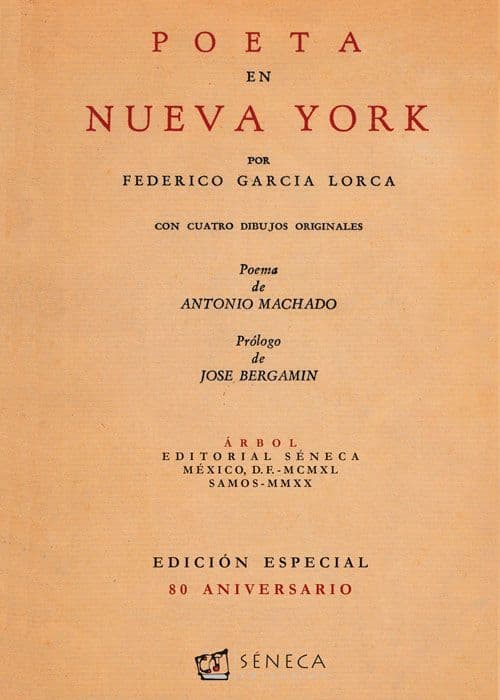
We also know that he became friends with the African American writer Nella Larsen, who introduced him to the cultural circles of the Harlem Renaissance, where jazz and lindy hop were, of course, very much present.
The same year Lorca arrived in New York, Larsen published Passing, a foundational work for queer literary studies.

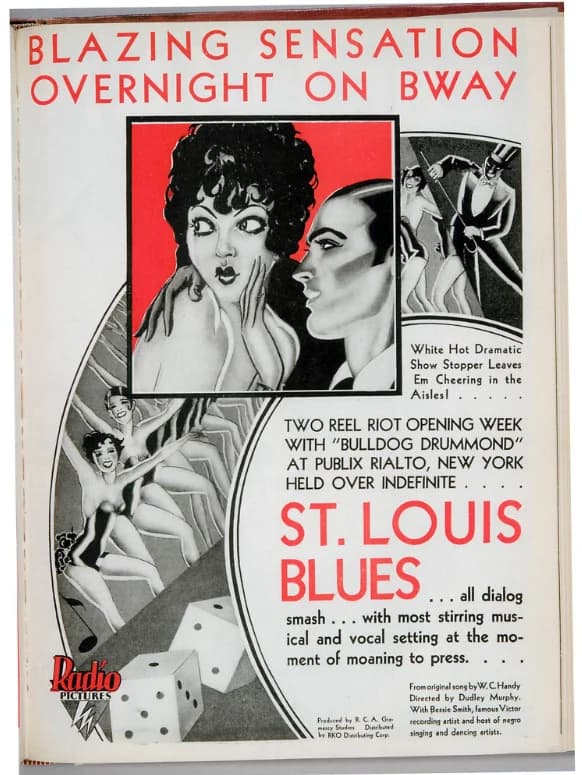
Also connected to that world was the legendary jazz and blues singer Bessie Smith, known as the Empress of the Blues, from much the same generation as Lorca and Larsen and an important figure in queer culture. She lived in Philadelphia but travelled to New York to record and take part in its cultural life. And she had several documented relationships with women.
Her only film was St. Louis Blues (1929). She recorded with Louis Armstrong, Benny Goodman and Coleman Hawkins, and was accompanied on several occasions by Fletcher Henderson and James P. Johnson.
This article is a tribute to Bessie Smith and an acknowledgement of Lorca and so many others who suffered because of other people’s intolerance.